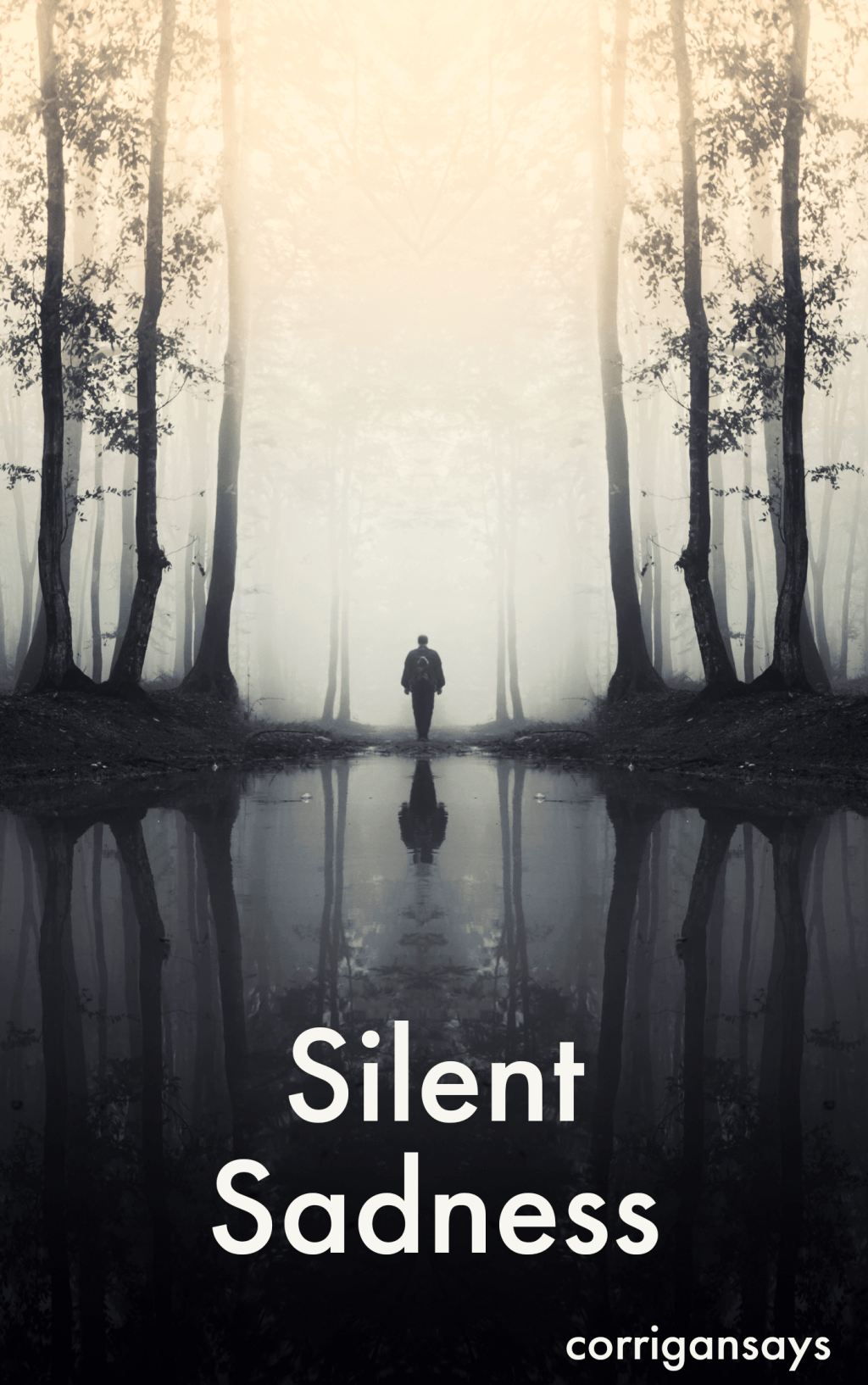
In a world filled with noise, where conversations, music, and the hustle and bustle of daily life never seem to cease, there is something profound about the silence of sadness. It’s a silence that often goes unnoticed, drowned out by the cacophony of life. Yet, within that silence lies a world of emotions, thoughts, and reflections that are seldom expressed but profoundly felt. In this blog, we will delve into the depths of sadness in silence, exploring its significance and the ways it shapes our lives.
The Hidden Emotion
Sadness, like all emotions, has a spectrum. At one end, it’s the tears we shed openly, the heartache we share with friends, and the catharsis of letting our feelings out. At the other end, it’s the sadness in silence, the unspoken weight that we carry within ourselves. This hidden sadness is often a private, intimate experience that we guard fiercely.
Silence as a Sanctuary
When we’re sad, we often retreat into silence, seeking solace in solitude. This silence can be a sanctuary, a place where we can confront our feelings without judgment or interruption. In this cocoon of quiet, we can sift through our thoughts and emotions, trying to make sense of the turmoil within.
The Power of Reflection
Silent sadness can also be a powerful catalyst for self-reflection. In the stillness, we ask ourselves the tough questions: Why am I feeling this way? What led to this sadness? What can I do to find relief or healing? These introspective moments can lead to personal growth and a deeper understanding of ourselves.
The Unspoken Connection
Interestingly, silent sadness can also connect us with others on a profound level. There’s a shared understanding when we encounter someone who carries their sadness in silence. It’s a recognition that some emotions are so complex, so personal, that words alone can’t capture them. In these moments, we may not speak, but our empathy and presence convey a deep connection.
The Cultural Aspect
The way we handle sadness in silence can vary greatly across cultures. In some societies, emotional expression is encouraged and even expected, while in others, it’s seen as a sign of strength to keep one’s feelings hidden. Understanding these cultural nuances can shed light on why some people may be more prone to silent sadness than others.
Coping Mechanisms
Silent sadness can manifest differently for each individual. Some turn to creative outlets like writing, art, or music to channel their emotions silently. Others may seek solace in nature, finding comfort in the quiet of the natural world. Finding healthy coping mechanisms is crucial when dealing with silent sadness.
Breaking the Silence
While silent sadness can serve as a valuable tool for introspection and personal growth, it’s also essential to recognize when it becomes overwhelming. Sometimes, reaching out to friends, family, or mental health professionals can be the key to breaking the silence and finding support.
The silence of sadness may be a quiet and unassuming presence in our lives, but it holds a profound significance. It’s a reminder that emotions are complex, and their expression varies from person to person. Whether you find solace in silent reflection, creative outlets, or by seeking help, it’s essential to acknowledge the depth of silent sadness and the strength it takes to confront it. In this silence, there is a world of growth, healing, and connection waiting to be discovered.
 CorriganSays
Leave a comment